
retail-landscaping-melbourne
What Are the Best Low-Maintenance Ideas for Retail Outdoor Spaces?
Creating an attractive retail property does not have to mean spending hours every week mowing lawns, trimming hedges, watering plants, and removing weeds. With the right retail landscaping melbourne approach, businesses can create welcoming outdoor spaces that look professional while keeping ongoing maintenance and water use under control. The best strategy is to combine hardy plants, practical surfaces, efficient irrigation, mulch, and a simple layout that is easy to manage.
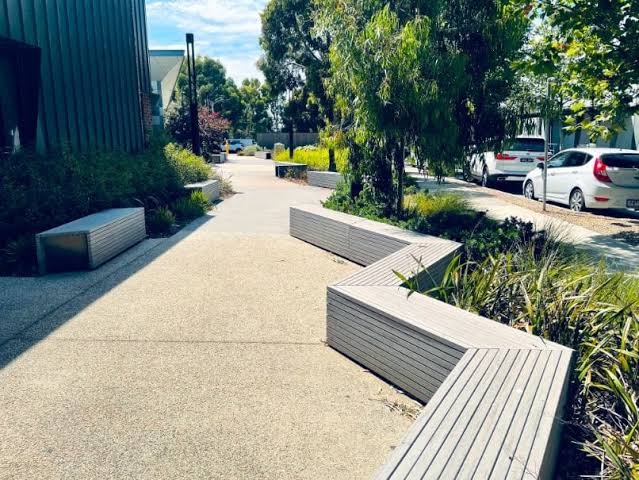
For busy retail properties, the biggest difference often comes from choosing the right plants and reducing unnecessary lawn areas. Australian native plants such as Lomandra, Dianella, Westringia and selected Grevillea varieties can provide structure and colour while generally requiring less intensive care once established. Hard landscaping, including paving, gravel and other durable surfaces, can also reduce the amount of grass and planting that needs regular attention.
A low-maintenance design should not mean a dull outdoor area. Retailers can still create attractive entrances, seating areas, pathways and green spaces by using repeated plant groupings, clear borders and carefully selected feature plants. The goal is to make maintenance easier without making the property look neglected. Good planning is especially important in Melbourne, where outdoor spaces need to cope with changing temperatures, dry periods and different soil conditions.
Choose Plants That Suit the Local Climate
Plant selection is one of the most important decisions in a low-maintenance retail landscape. Choosing a plant simply because it looks attractive can create problems later if it needs frequent watering, pruning or pest control.
Australian native plants can be a strong option because many are adapted to local conditions. Lomandra, for example, is commonly used in commercial landscapes because it is hardy and works well along borders, pathways and larger planting areas. Westringia can also provide a neat shrub structure and is known for handling dry conditions once established.
However, there is no single plant that works perfectly everywhere. A retail property may have areas exposed to full sun, shaded corners, compacted soil or drainage problems. Plant choices should therefore consider sunlight, soil, drainage, expected mature size and how close the plants will be to customers.
This approach reduces the risk of replacing plants repeatedly and makes the outdoor area easier to manage over time.
Reduce Large Lawn Areas
Lawns can provide a clean and familiar appearance, but large areas of grass often require regular mowing, edging, watering and seasonal care. For a retail property where every part of the outdoor space must serve a purpose, excessive lawn may not always be the most practical choice.
One option is to reduce lawn to the areas where it genuinely adds value and replace unnecessary sections with planting beds, gravel, paving or suitable ground covers. Some Australian councils recommend alternatives such as gravel combined with native plants because these designs can reduce mowing and water requirements.
This does not mean removing every patch of grass. A small, well-maintained lawn can create an open visual area around a building or entrance. The important point is to avoid maintaining large grass areas simply because they are traditional.
Use Mulch to Control Weeds
Mulch is a simple addition that can make a noticeable difference to maintenance. A suitable mulch layer can help retain moisture, reduce weed growth and protect the soil around plants.
For retail properties, mulch also creates a clean visual separation between plants and paths. This can make planting beds appear more organised without requiring complicated design features.
Organic and coarse mulches can be useful, but the correct material depends on the plants and site. Some native plants have specific fertiliser and soil requirements, so businesses should avoid assuming that every garden product is suitable for every plant.
Mulch should also be checked periodically. Wind, foot traffic and weather can move it, particularly around entrances and exposed areas.
Install Efficient Irrigation
Watering manually can become inefficient when a retail property has several garden beds spread across a large area. Automated irrigation can make watering more consistent and reduce unnecessary labour.
Drip irrigation is particularly useful around planting beds because it can deliver water close to plant roots rather than spraying large areas. Timers can also help businesses maintain a regular watering schedule.
However, automation does not mean irrigation should run without monitoring. Seasonal weather, rainfall, plant maturity and local restrictions can affect how much water is actually needed.
New plants generally need more attention while their roots are becoming established. Once suitable plants are established, many Melbourne natives can require considerably less supplementary watering, although extreme heat can still create additional demands.
Create Durable Walkways and Borders
Hard landscaping can reduce the amount of vegetation that requires regular care. Paved walkways, stone areas, gravel sections and defined borders can make a retail property easier to maintain while improving how customers move through the space.
For example, a clear paved path leading from a car park to the entrance can reduce unnecessary foot traffic through garden beds. A defined border can also stop mulch and soil from spreading onto pedestrian areas.
Permeable surfaces may be worth considering in suitable locations because they can help manage stormwater while still providing a durable walking surface. The best material depends on the property's drainage, expected traffic and overall design.
The key is to use hard surfaces strategically. An outdoor space made almost entirely from concrete or paving may be easy to maintain but can feel harsh and uninviting. Combining durable surfaces with carefully placed greenery usually creates a better balance.
Use Ground Covers Instead of High-Maintenance Planting
Ground covers can be useful where businesses want greenery without creating large areas that need constant mowing or trimming.
Some native ground covers can spread across open garden beds and help reduce exposed soil. Creeping boobialla, for example, is recognised as a hardy native ground cover that can help suppress weeds and stabilise soil in suitable conditions.
The right ground cover depends heavily on sunlight, soil moisture and drainage. A plant that performs well in a sunny, free-draining location may not work in a shaded area.
For this reason, ground covers should be selected according to the specific conditions of the property rather than simply choosing the cheapest or fastest-growing option.
Keep the Design Simple
Complex landscapes often create more maintenance work. Multiple plant species, intricate garden borders and large numbers of small feature areas can make mowing, pruning and irrigation harder.
A simpler design can actually look more professional. Repeating a small selection of suitable plants across different areas creates visual consistency. For example, the same hardy grass-like plant might be used along several pathways while flowering shrubs are reserved for prominent entrance areas.
This creates a recognisable appearance without requiring dozens of different plant types.
For retailers, simplicity also makes future repairs easier. If one section needs replacement, matching plants and materials are easier to source when the original design is straightforward.
Select Plants Based on Mature Size
One common landscaping mistake is choosing plants based on how they look when purchased rather than how large they will become.
A small shrub may appear perfect beside a doorway when newly planted but could eventually block signs, windows or pedestrian routes. When plants outgrow their location, regular pruning becomes necessary.
Choosing species and cultivars that naturally fit the available space can reduce this problem. It is also important to consider root growth, plant height, spread and clearance from buildings and paths.
Good planning at the beginning can therefore prevent years of unnecessary trimming.
Add Feature Plants in High-Visibility Areas
Low-maintenance landscaping does not mean every part of a retail property needs to look the same. Feature plants can create visual interest around entrances, signs, seating areas and building corners.
The trick is to use them selectively.
A few attractive, hardy feature plants can have more impact than dozens of different species scattered across the property. Native flowering plants can also provide seasonal colour and may support local wildlife when appropriately selected.
Keeping feature planting concentrated in important areas also makes maintenance more manageable. Staff or contractors can give extra attention to these locations while allowing simpler planting areas to remain relatively low intervention.
Plan for Customer Safety
A retail landscape must do more than look attractive. It also needs to support safe movement around the property.
Plants should not obstruct entrances, signs, lighting, pedestrian paths or visibility around driveways. Thorny or sharply structured plants may also be unsuitable in areas where customers regularly walk or wait.
Trees and shrubs should be positioned with their eventual size in mind. Irrigation systems should be installed and maintained so they do not create slippery paths or trip hazards.
Safety should therefore be considered during the design stage rather than treated as a problem to fix later.
Schedule Maintenance Instead of Constantly Reacting
Even a low-maintenance landscape needs some care. The goal is not to eliminate maintenance completely but to reduce unnecessary work.
A simple maintenance schedule can include periodic mowing where required, pruning after flowering, checking irrigation, removing damaged growth, refreshing mulch and inspecting paths. Native gardens are often described as low maintenance, but they still need establishment care and occasional attention.
For a retail business, scheduled maintenance is preferable to waiting until a problem becomes obvious. A blocked drain, overgrown hedge or failed irrigation line can become more expensive when ignored.
Think About Long-Term Costs
The cheapest landscaping option at installation is not always the cheapest option over several years. A design that requires frequent watering, fertilising, mowing and replacement planting can become expensive over time.
A more practical retail landscaping melbourne plan considers installation, water use, labour, plant replacement and seasonal maintenance together.
Businesses should therefore look beyond the initial appearance and ask how the landscape will perform after one year, three years and five years. Plants that suit the site, efficient irrigation and durable materials can help reduce ongoing costs while keeping the property presentable.
Make the Outdoor Space Part of the Brand
Retail landscaping can contribute to how customers perceive a business. A clean entrance with healthy plants, clear pathways and well-maintained garden beds can create a stronger first impression than an untidy or overly complicated outdoor area.
The design should also match the type of business. A modern retail centre may benefit from simple geometric planting and clean hard surfaces, while a smaller local store may suit softer planting and natural materials.
The landscape does not need to be expensive or elaborate. It simply needs to appear intentional, functional and well cared for.
Final Thoughts
The best low-maintenance retail outdoor spaces are designed around practicality from the beginning. Hardy plants, smaller lawn areas, mulch, efficient irrigation, durable pathways and simple planting patterns can significantly reduce the amount of routine work required.
For businesses considering Bullscape retail landscaping melbourne, the priority should be creating a space that can remain attractive without demanding constant attention. Native and climate-suitable plants can provide greenery and seasonal interest, while smart hard landscaping can reduce watering, mowing and replacement costs.
Most importantly, low maintenance should never mean low quality. A well-planned outdoor area can look polished, support customer comfort, improve the appearance of a property and remain manageable for years. The best results come from matching the landscape to the site's conditions, the needs of customers and the business's long-term maintenance capacity.